
The Ultimate Guide to Energy Sector Travel Management for Canadian Companies
- dixiekitchenevanst
- May 22
- 4 min read
Efficient travel management is no longer a luxury for Canadian energy companies; it’s a necessity. With Calgary being a major hub for oil & gas operations, coordinating remote workforce trips has become increasingly complex. From project crew accommodations to automated booking systems, companies are looking for energy trip management solutions that streamline operations while ensuring employee comfort and safety.
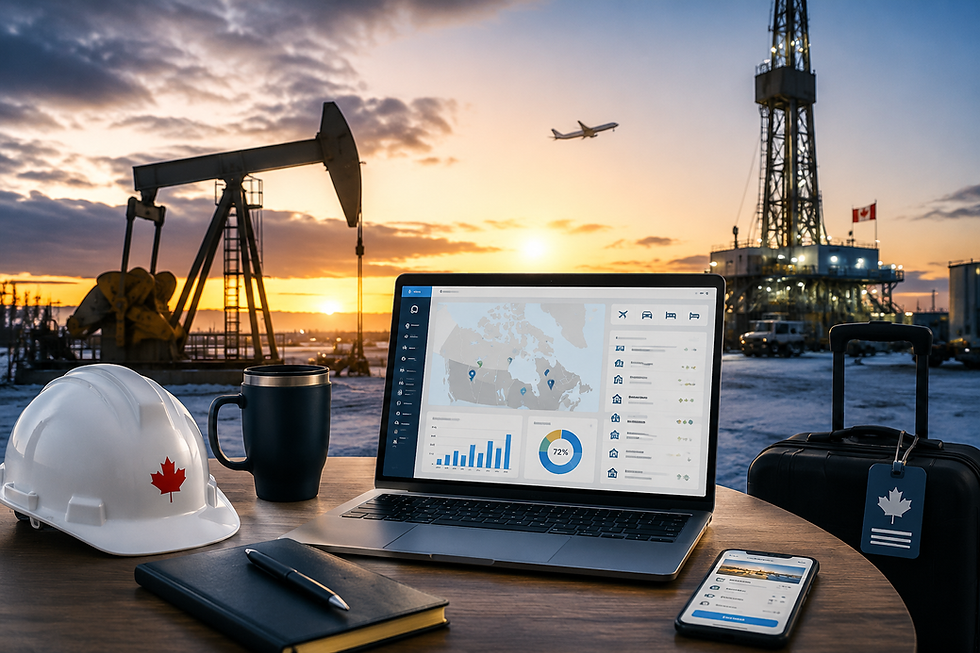
This guide explores how energy sector travel management can transform workforce logistics, optimize costs, and improve productivity across Canada’s energy landscape.
A Comprehensive Overview of Energy Sector Travel Solutions
Energy sector travel management involves organizing and overseeing the travel, lodging, and transportation needs of employees in remote energy sites. With projects spanning across Alberta’s oilfields or Calgary-based operational offices, companies face logistical challenges that demand careful planning.
A structured energy travel management system ensures that crew members are housed efficiently, flights and transfers are coordinated seamlessly, and the workforce remains productive without unnecessary downtime. Key components include trip management software, group lodging coordination, and automated booking systems that reduce manual effort and errors.
The Importance of Project Crew Accommodations
Project crew accommodations play a pivotal role in energy travel management. Employees working in remote locations require extended stay arrangements that are safe, comfortable, and close to the project site. Poor lodging choices can impact morale, reduce efficiency, and even lead to increased turnover.
Modern accommodations solutions include tailored housing for oil & gas teams, ensuring crew members have access to high-speed internet, meeting spaces, and convenient amenities. Integrating these accommodations into travel planning software allows companies to monitor availability, manage bookings, and maintain compliance with occupational health standards.
Leveraging Automated Booking Systems for Efficiency
One of the most transformative aspects of energy travel management is the use of automated booking systems. These platforms allow managers to schedule flights, ground transport, and lodging with minimal manual input. Automation reduces the risk of errors, provides real-time visibility into trip arrangements, and ensures that employees have up-to-date information about their itinerary.
Energy companies can also integrate automated booking with travel management software to generate reports, track expenditures, and forecast future trip needs, resulting in better budgeting and resource allocation.
Oil & Gas Travel Planning: Best Practices
Travel planning for oil & gas operations is unique due to the remote and often unpredictable nature of project sites. Some best practices include:
Centralized Travel Coordination: Using a single platform for all bookings ensures consistency and reduces miscommunication.
Flexible Scheduling: Sites may face delays or sudden changes; flexible arrangements reduce disruption.
Local Partnerships: Partnering with regional hotels and transportation providers in Alberta and Calgary enhances service reliability.
Compliance and Safety: Trip management must align with health, safety, and labour regulations, especially in high-risk energy zones.
By implementing the oil & gas travel planning strategies, companies minimize downtime, improve employee satisfaction, and maintain operational continuity.
Travel Management Software: Key Features
Modern travel management software is the backbone of efficient energy sector trip planning. Core features often include:
Group Lodging Coordination: Manage bookings for large crews simultaneously without conflicts.
Expense Tracking: Automate reimbursement processes and track project-related costs.
Real-Time Updates: Provide instant notifications for itinerary changes, weather disruptions, or project delays.
Customizable Reporting: Generate insights on trip trends, costs, and accommodation usage.
Software solutions that integrate all these features allow energy companies to consolidate operations, optimize costs, and improve employee experience.
Group Lodging Coordination for Remote Teams
Coordinating group lodging in remote locations is one of the most challenging aspects of energy trip management. Companies must balance proximity to project sites with available amenities and budget constraints. Centralized lodging platforms allow managers to book multiple rooms in a single location, track occupancy rates, and adjust arrangements as project timelines evolve. By leveraging technology, teams avoid booking errors, reduce trip stress, and ensure smooth operations for extended stays.
Choosing the Right Energy Travel Management Partner
When selecting an energy travel management partner, consider their expertise in project crew accommodations, automated booking systems, and regional knowledge of Alberta and Calgary. A well-connected partner can provide access to hotels, charter flights, and ground transport services, making workforce trips seamless. Reliable trip management solutions improve operational efficiency, enhance employee satisfaction, and support compliance with safety regulations.
Advantages of Energy Sector Travel Management
Adopting energy sector travel management solutions offers multiple benefits:
Cost Efficiency: Optimized trip routes and group bookings reduce expenses.
Time Savings: Automation minimizes manual scheduling and administrative overhead.
Employee Wellbeing: Comfortable lodging and a structured trip reduce stress.
Data Insights: Trip management software provides analytics for better planning.
Scalability: Systems can accommodate fluctuating workforce sizes as projects expand.
These advantages make travel management an essential strategic component of energy operations in Canada.

Frequently Asked Questions
What is energy sector travel management?
Energy sector travel management is the strategic planning and coordination of employee trips, lodging, and transportation for remote energy projects. It ensures efficiency, safety, and cost-effectiveness.
Why are project crew accommodations important?
Proper accommodations enhance employee morale, reduce downtime, and ensure workforce safety at remote sites, making projects more productive.
How do automated booking systems improve operations?
Automated systems streamline scheduling, reduce manual errors, and provide real-time updates for trip itineraries and lodging, saving time and resources.
Can travel management software handle group bookings?
Yes. Modern platforms are designed for group lodging coordination, allowing multiple bookings simultaneously with minimal conflicts.
How does energy travel planning help in Alberta?
Planning ensures a seamless trip in major energy hubs, optimizing logistics, reducing costs, and improving workforce productivity for projects across Alberta.
Are these solutions scalable for large energy projects?
Absolutely. Travel management software and automated systems are flexible, capable of managing small crews or large-scale operations efficiently.
Conclusion
The effective energy sector travel management is vital for Canadian companies operating in Alberta and Calgary. With project crew accommodations, automated booking systems, and advanced trip management software, companies can optimize operations, improve workforce satisfaction, and ensure safety compliance.
Investing in comprehensive energy travel planning solutions allows businesses to save time, reduce costs, and maintain high productivity levels, ultimately giving them a competitive edge in the energy industry. Explore tailored energy travel management solutions, secure project crew accommodations, and streamlined group lodging coordination across Alberta. Access real-time availability, compare lodging options, and ensure seamless trip planning for your teams by visiting the interactive map today.


Comments